
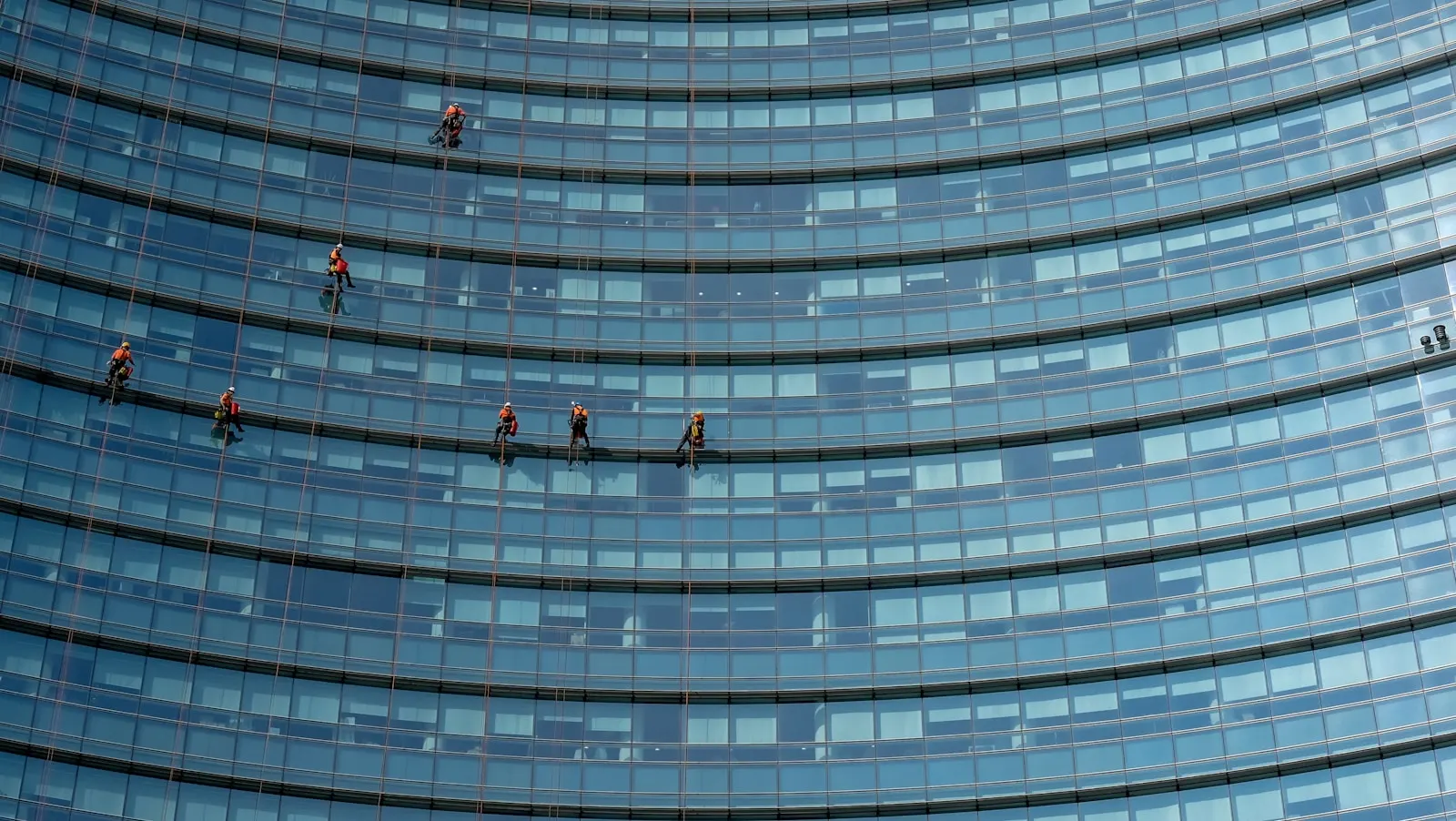
Terminology & compliance note. In the strict Singapore sense, “facade inspection” refers to Periodic Facade Inspection (PFI) — the statutory regime under the Building Control (Periodic Inspection of Buildings and Building Facades) Regulations 2021, administered by BCA. A statutory PFI must be planned, directed and certified by a registered Competent Person (CP) appointed by the building owner. Where this article uses “facade inspection” in a general sense, the statutory equivalent is PFI; ad-hoc surveys outside the regulations are properly described as facade condition checks or PFI support.
Our role. Facade Inspection Singapore (operated by Ezzogenics) is a Singapore work-at-height contractor. We provide close-range access support, rope-access / height-access support, visual and photographic documentation, tapping checks, defect recording, condition checks and repair / rectification support. We do not act as the appointed CP, nor do we independently certify PFI compliance or replace the CP, consultant or QP. Where statutory inspection is involved, our contractor support is coordinated under the CP / consultant / QP’s direction.
A practical guide to cladding inspection Singapore requirements, including how a BCA Competent Person inspects ACP, stone, GRC and metal cladding, canopy defects, external screens, fixings and remedies.
When an aluminium composite panel, or ACP, detaches from a 20-storey facade, it tends to do so quietly until the moment it does not. Cladding is non-structural by design, but a non-structural panel is still a heavy, sharp object travelling at terminal velocity by the time it reaches a pedestrian.
A proper cladding inspection in Singapore, covering panels, fixings, canopies and external screens, is what the BCA periodic facade inspection regime exists to enforce.
This guide is structured around how a BCA Competent Person actually inspects cladding systems: what each cladding type is made of, how it fails, and which defects the inspector cannot afford to miss.
What Cladding Is and Why It Fails
Cladding is an extra non-structural skin added to a building for thermal insulation, weather resistance, acoustic control, fire compartmentation, privacy and aesthetics.
Because it is not holding the building up, it tends to be neglected until something falls.
The Singapore inventory of facade cladding includes:
- Aluminium, both solid and composite
- Stainless and enamel steel
- Stone, including natural and manufactured stone
- Glass-fibre reinforced concrete, or GRC
- uPVC
- Timber
- Weatherboard
Main Parts of a Cladding System
A cladding system has four parts the inspector must individually assess.
The Panel Itself
The inspector checks the material, finish, condition, distortion, cracks, dents, corrosion, fire rating and any signs of movement or detachment.
The Sub-Frame and Fixings
The sub-frame and fixings include steel supports, brackets, anchors and concealed connections. These are critical because a panel can only remain safe if the support system behind it is still sound.
The Weather Seal
The weather seal may include sealant, gasket or an open joint with weather-resistant barrier behind it. This is where water ingress and ageing commonly begin.
Insulation and Concealed Accessories
The inspector also considers insulation, concealed accessories and any hidden components that may affect fire performance, moisture control or long-term durability.
Aluminium Cladding: Solid and Composite Panels
Aluminium is one of the most common cladding materials in Singapore because it is light, corrosion-resistant, formable and recyclable. It is about a third of steel density, making it easier to install on building facades.
Solid aluminium panels are typically 2 mm to 6 mm thick and finished with one of the following systems.
PVDF Finish
PVDF, or Polyvinylidene fluoride, is a fluorocarbon coating with excellent fade and abrasion resistance. It is recommended for external use.
Powder Coat Finish
Powder coat is durable but not always UV-stable for harsh exposure.
Anodised Finish
Anodised aluminium is an electro-chemical finish. It is highly durable and low maintenance.
ACP Cladding Inspection: What to Check
Conventional ACP is a polyethylene core sandwiched between two aluminium skins. The panel is light, flat, weather-resistant and available in extensive colours and shapes.
The catch is fire performance. ACP with a 100% polyethylene core does not meet SCDF’s fire rating requirements, which is why fire-retardant ACP with a mineral core has become the specification of choice. SCDF’s Fire Code 2023 remains the key reference for fire-safe building design in Singapore.
Inspectors increasingly need to verify what is actually on the wall and whether the panel composition meets the Fire Code that applied at the time of installation.
ACP Panel Composition
The inspector should check whether the ACP panel has a polyethylene core or a fire-retardant mineral core.
Vertical and Horizontal Joint Detailing
An ACP inspection covers vertical and horizontal joint detailing, including whether the system uses a face seal or open joint.
Sub-Frame Steel Condition
The inspector checks the sub-frame steel for corrosion, especially at fixing points and concealed areas.
Bracket Condition
Bracket condition is particularly important behind concealed joints, where corrosion or loosening may not be visible from ground level.
Sealant and Gasket Performance
The inspector checks sealant or gasket performance at every panel-to-panel interface.
Sealants and Gaskets: Where Weather Seal Lives or Dies
The weather seal is almost always where ageing cladding starts to fail.
Common gasket materials include:
- Santoprene
- Silicone
- EPDM
- Neoprene
Common sealants include:
- Silicone
- Polyurethane
- Polysulphide
- Acrylic
Silicone is generally the best performer for external use. It is durable beyond 20 years and largely unaffected by UV.
Red Flags During Facade Cladding Inspection
A Singapore facade cladding inspection should treat the following as red flags.
Visible Ageing or Hardening
Visible ageing, hardening or chalking of sealant may indicate that the weather seal is reaching the end of its service life.
Cohesive Failure
Cohesive failure means cracking or breakage within the body of the sealant.
Adhesion Failure
Adhesion failure happens when the sealant lifts away from the substrate.
Substrate Failure at the Bond Line
Substrate failure at the bond line may indicate that the sealant is not the only issue. The supporting surface may also be deteriorating.
Three-Sided Adhesion
Three-sided adhesion occurs when sealant bonds to the back of the joint, usually because the backer rod is missing.
Improper Width-to-Depth Ratio
Improper width-to-depth ratio is another common defect. The recommended thickness over depth ratio is 2, with a minimum depth of 6 mm.
Most sealant failures trace back to one of seven causes:
- Ageing beyond service life
- Wrong sealant for the substrate
- Inadequate surface preparation
- Excessive joint movement
- Early movement during cure
- Improper application
- Sealant-substrate incompatibility
Stone Cladding Inspection: Pin, Kerf and Undercut Anchors
Stone cladding is the most expensive facade and one of the most punishing to inspect.
Natural stone, including granite, limestone, sandstone, marble and slate, as well as manufactured stone veneer, is typically attached using one of four fixing methods:
- Dowel or pin fixing
- Kerf fixing
- Undercut anchoring
- Direct fixing
Panel thickness is dictated by stone strength, panel size, wind loading, fixing location in the stone and fixing type.
Common Stone Cladding Defects
The defect set on stone cladding includes several issues a facade inspector cannot afford to miss.
Cracks Across Stone Panels
Cracks across stone panels may indicate material weakness, impact, movement or fixing-related stress.
Misalignment of Panels
Misalignment of panels may be a sign of detached or missing fixings.
Spalling at Pin Locations
Spalling at pin locations can point to stress concentration, corrosion or incorrect anchorage detailing.
Epoxy Used Instead of Mechanical Anchorage
Signs of epoxy where mechanical anchorage was specified should be treated seriously, because adhesive-only support may not match the original design intent.
Corroded Fixings or Brackets
Corroded fixings or brackets behind the panel are a serious concern. A borescope is the inspector’s best friend here because it allows the bracket to be seen without removing the panel.
Canopies, Roof Eaves and External Soffits
Canopies are single-storey shelters, either free-standing or tied back. Awnings are attached to the building.
Eaves and external soffits sit at the boundary between facade and roof. They may be made from wood, gypsum, vinyl, fibre cement, aluminium honeycomb or mineral fibre, and they can trap moisture in ways the inspector must look for.
Roof materials in scope can include:
- Aluminium
- Stainless steel
- Zinc
- Zincalume
- Copper
- Titanium
- Clay or cement tiles
- Polycarbonate
- PVC
- Acrylic
What a Canopy Inspection Should Verify
A canopy inspection should specifically verify several high-risk areas.
Anchor Bolt and Base Plate Condition
The inspector checks anchor bolts and base plates. Corrosion at washers and brackets is a recurring finding.
Bracket Replacement Compatibility
The inspector checks whether replacement brackets and fasteners are compatible. Mismatched fasteners can trigger bi-metallic galvanic corrosion.
Back-of-Canopy Waterproofing
The inspector checks the integrity of any back-of-canopy waterproofing, especially where water may be trapped or directed into concealed fixings.
External Screens and Green Walls
External screens include mesh, perforated metal, woven wire and louvres. These are usually mounted on metal sub-frames bolted into the structural wall.
The defects to look for include:
- Loose fixings
- Corroded fixings
- Dented screens
- Torn screens
- Bracket fatigue
For green walls, the trio of soil, fertiliser and continuous moisture is aggressive on metal. Stainless steel is the right structural support material. Carbon-steel frames will accelerate to corrosion much faster than the rest of the cladding around them.
A Professional Engineer must verify the substrate’s loading capacity before any green-wall planting starts, and the documentation must be available at the periodic facade inspection.
Common Cladding Defects and Red Flags
These are the common defects a facade inspector should look for during cladding inspection Singapore work.
ACP and Panel Defects
- ACP panels with non-fire-retardant PE core in fire-rated zones
- Hardened, cracked or debonded sealant at panel joints
- EPDM or silicone gaskets that have lost compression
- Open joints where the weather-resistant barrier behind has aged and is letting water through
Fixing and Sub-Frame Defects
- Corroded sub-frame, brackets or fixings behind cladding
- Galvanic corrosion at mismatched fasteners
- Canopy anchor bolts with rusted washers or base plates
Stone and External Feature Defects
- Stone panels misaligned, cracked or spalled at pin locations
- Loose, dangling or rusted external screens and louvres
- Green-wall frames with chloride or fertiliser-driven corrosion
Singapore Regulatory Context for Cladding Inspection
External cladding sits inside three regulatory perimeters.
The first is the BCA periodic facade inspection regime under the Building Control Act. This covers defects, fixings and falling-object risk. BCA states that buildings over 20 years old must be inspected every seven years, with building owners required to appoint a Competent Person after receiving a PFI notice.
The second is the SCDF Fire Code 2023, which is relevant for combustibility, flame spread and fire propagation. SCDF describes the Fire Code as a key reference for Qualified Persons, architects and engineers to design fire-safe buildings in Singapore.
The third is the Workplace Safety and Health Act for access work at height. Any close-range inspection involving gondola, MEWP, rope access or other work-at-height method must be planned safely.
What Building Owners Should Do Next
If your building’s facade includes ACP, stone or metal cladding, get the original specification on the table before the inspection.
This will save days of back-and-forth on whether a panel meets the Fire Code. From there, a Competent Person can plan the visual sweep, flag the high-risk panels, and scope the close-range tactile inspection where it matters most.
A good inspection should not only look at the visible panel face. It should also assess the support system behind it, the weather seal, the brackets, the fixings, the canopy anchors and any external screens or green-wall supports.
Why Hire a Qualified Facade Inspector in Singapore?
A qualified facade inspector helps building owners identify cladding defects before they become falling-object risks.
For older buildings in Singapore, proper cladding inspection is not just about compliance. It is about checking ACP panels, stone cladding, metal cladding, canopies, screens, sealants and fixings before deterioration becomes dangerous.
Working with a BCA Competent Person also helps ensure that the inspection is carried out according to the required facade inspection process.
Conclusion
Cladding inspection in Singapore is essential for buildings with ACP, stone, GRC, metal cladding, canopies, external screens or green walls.
A proper inspection checks the panel, the support frame, the fixings, the weather seal, concealed accessories and any attached features. The goal is to identify fire, corrosion, water ingress and falling-object risks before they become serious.
For building owners and managers, early inspection can reduce repair delays, support BCA compliance and improve public safety around the building.
FAQ About Cladding Inspection Singapore
What is cladding inspection Singapore?
Cladding inspection Singapore refers to the inspection of external cladding systems, including ACP, stone, GRC, metal panels, canopies, external screens, fixings, brackets and weather seals.
Who should carry out cladding inspection in Singapore?
A BCA Competent Person or qualified facade inspector should carry out cladding inspection, especially when the building falls under the BCA periodic facade inspection regime.
What does a facade inspector check during ACP cladding inspection?
During ACP cladding inspection, the inspector checks panel composition, joint detailing, sub-frame condition, brackets, fixings, sealants, gaskets and whether the panel specification is suitable for the relevant fire code requirements.
What are common cladding defects?
Common cladding defects include debonded sealant, failed gaskets, corroded brackets, loose fixings, cracked stone panels, misaligned panels, rusted canopy anchors, damaged screens and green-wall frame corrosion.
Why is ACP cladding inspection important?
ACP cladding inspection is important because the panel composition, fire performance, fixings and weather seals can affect safety. Non-fire-retardant PE core panels in fire-rated zones may require special attention.
What are signs of sealant failure in cladding?
Signs of sealant failure include hardening, chalking, cracking, adhesion failure, cohesive failure, missing backer rod, three-sided adhesion and improper joint width-to-depth ratio.
What should building owners prepare before cladding inspection?
Building owners should prepare original cladding specifications, approved drawings, past repair records, previous inspection reports, access information and any Fire Code documentation related to the installed cladding system.
Are canopies included in facade inspection?
Yes. Canopies, awnings, external soffits and roof-edge features may be included because they are external features that can deteriorate, corrode or become falling-object risks.
This article is educational background on façade inspection regimes in Singapore. In the strict statutory sense, "façade inspection" means Periodic Façade Inspection (PFI) — the legal requirement under BCA's Building Control (Periodic Inspection of Buildings and Building Façades) Regulations 2021, which must be planned, directed and certified by an appointed Competent Person (CP). Building owners should appoint the required CP under BCA's PFI regime. Facade Inspection Singapore (operated by Ezzogenics) provides contractor-level support — close-range access, rope/height-access, visual and photographic documentation, tapping checks, defect recording, and rectification works — under the CP, consultant or QP's direction where statutory inspection is involved. We do not independently certify statutory PFI compliance or replace the appointed CP unless that role is separately and explicitly agreed.